Expanding EV charging infrastructure doesn’t always mean starting from scratch. By making use of existing infrastructure, combining EV charging and engine heating, and managing available electrical capacity more efficiently, property owners can create more charging opportunities in a cost-effective way.
Existing Engine Heater Parking Spaces Can Become Part of Tomorrow’s Charging Infrastructure
Across Norrbotten and the rest of Sweden, a large number of parking spaces are already equipped with engine heater outlets. Many of these locations have existing electrical connections and parking posts in place.
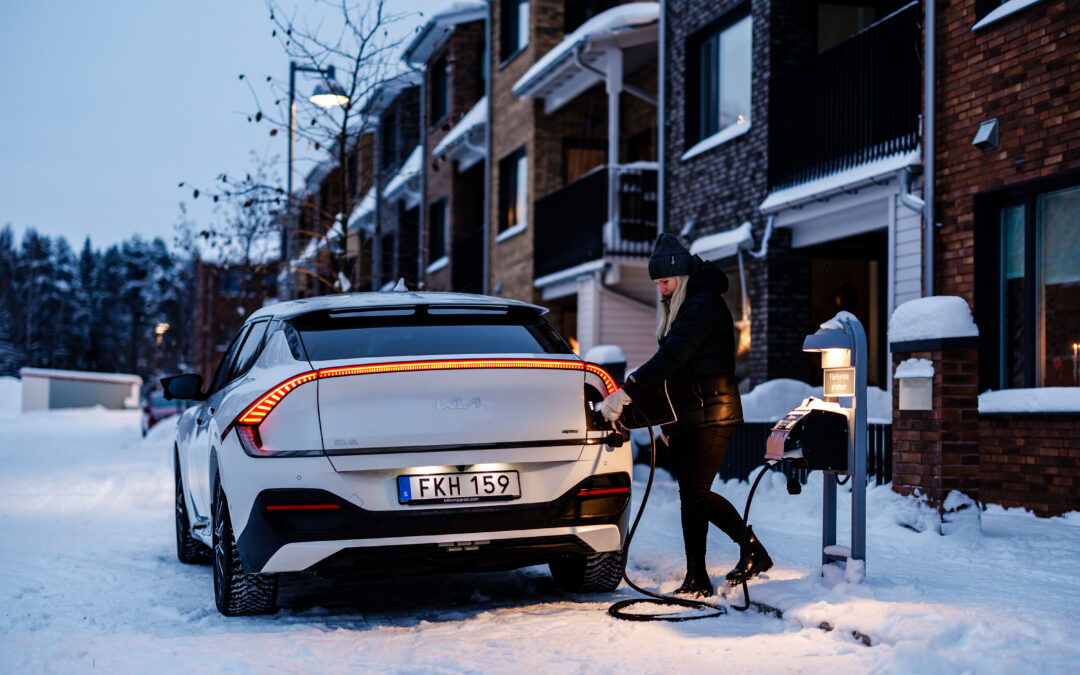
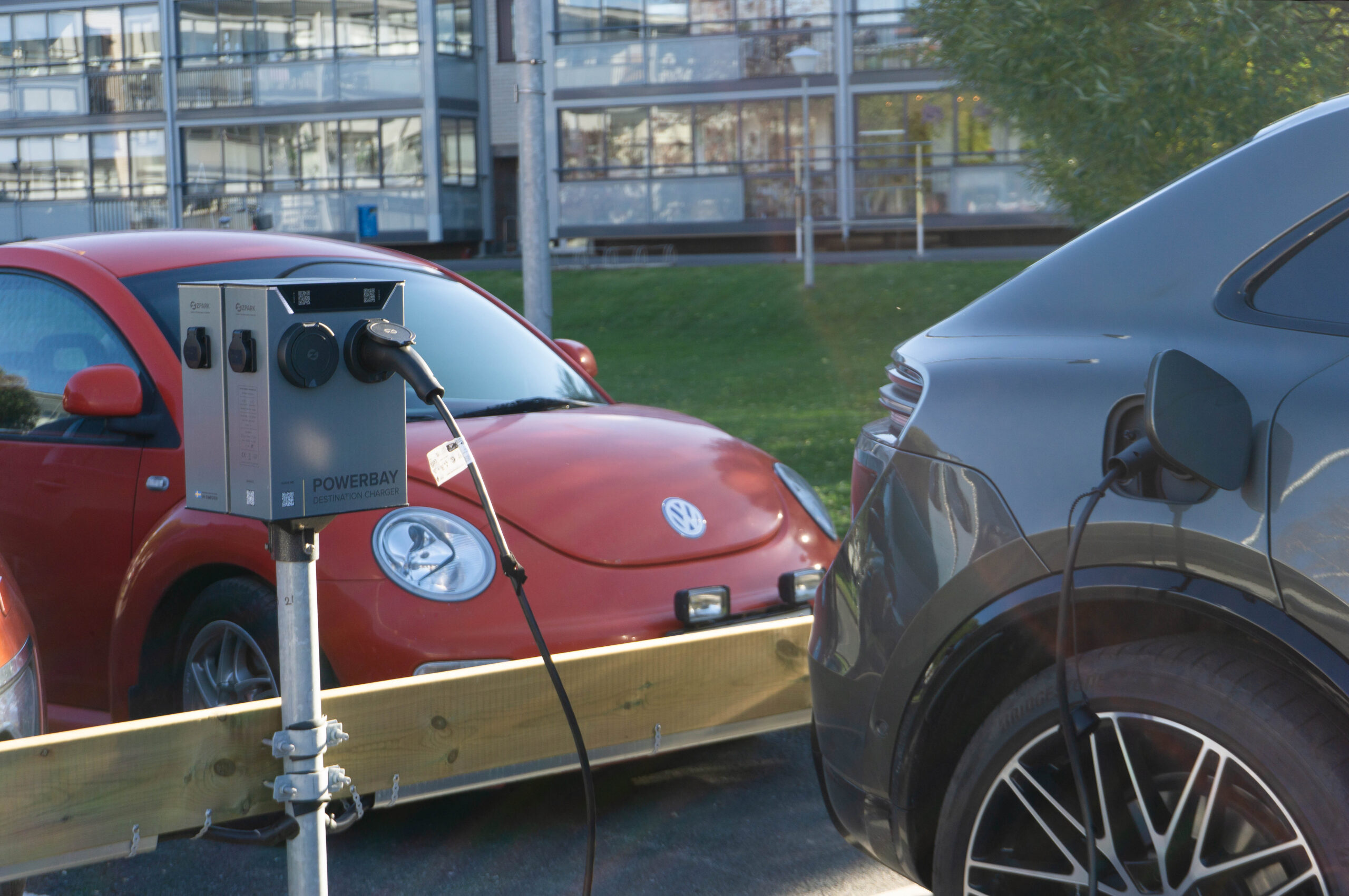
By upgrading existing engine heater parking spaces with EV charging technology, property owners and housing associations can, in some cases, reuse parts of the existing infrastructure rather than building entirely new installations.
This can reduce the need for excavation work, save time and help lower installation costs. At the same time, parking spaces can continue to provide engine heating for drivers who need it.
Robust Charging Equipment for Nordic Conditions
Charging infrastructure used every day needs to withstand both harsh weather conditions and physical impact. In northern Sweden, particularly high demands are placed on equipment that must operate reliably through cold winters and in exposed parking environments.
Reliability is especially important for destination charging, where vehicles are often parked throughout the working day or overnight. Users need to be confident that charging will work when they are ready to drive again.
Zpark develops charging solutions with a focus on durability and long-term performance. Zpark PowerBay has an IK10 impact resistance rating, indicating a high level of protection against mechanical impact, and combines EV charging and engine heating in a single unit.
Make Better Use of Available Electrical Capacity
Another important aspect of expanding EV charging infrastructure is making the most efficient use of a property’s existing electrical capacity.
With load balancing, available power can be distributed between charging points according to the installation’s capacity and requirements. This can make it possible to install more charging points without having to provide maximum charging power to every parking space simultaneously.
For property owners and housing associations, this provides greater flexibility as charging needs evolve.
Luleå Leads the Way in Smarter Charging Solutions
Reusing existing infrastructure, investing in robust equipment and managing available electrical capacity more efficiently are important steps towards cost-effective EV charging expansion.
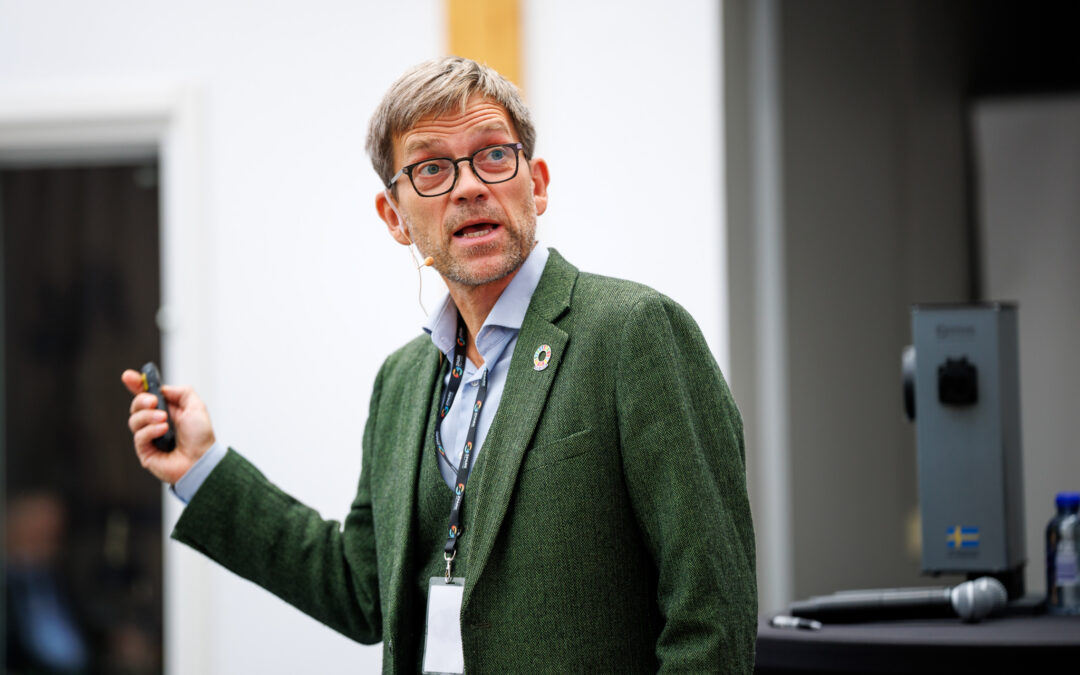
These principles are also at the heart of an opinion article written by Mattias Goldmann, CEO of the 2030 Secretariat, and Jessica Bäckman, Marketing Manager at Zpark Energy Systems, in connection with the launch of Zpark’s new charging solution in Luleå on September 21, 2026.
In the opinion article Luleå visar vägen för smartare laddlösningar (Luleå Leads the Way in Smarter Charging Solutions), they highlight how existing engine heater parking spaces can help accelerate the transition to electric vehicles.
Read the full opinion article in NSD (in Swedish, subscription may be required).